Well, I am back up north. And I mean the true north. People further south often mistake Yorkshire for the north, but geographically, that is barely the middle of the land. Even crossing the border into the Lowlands doesn’t quite count. No, the real north is the Highlands.
It does not matter whether you take the road that skirts Edinburgh or the one past Glasgow. Once you clear the central belt, you still have hours of driving ahead to reach the heart of the country. Coming up from Carlisle or Berwick-upon-Tweed, you roll through the borders and the Lowlands until you reach the roundabout at Perth. That is where the journey begins as you join the A9.
It is a magnificent drive.
The road twists through the hills, punctuated by a welcome stop at the House of Bruar, before climbing steadily up through the Cairngorms. If you are ready for it, the real reward comes just past Daviot. You coast along the level stretch past the North Gateway Café, which you cannot miss thanks to the fifteen-foot kestrel painted on the side.
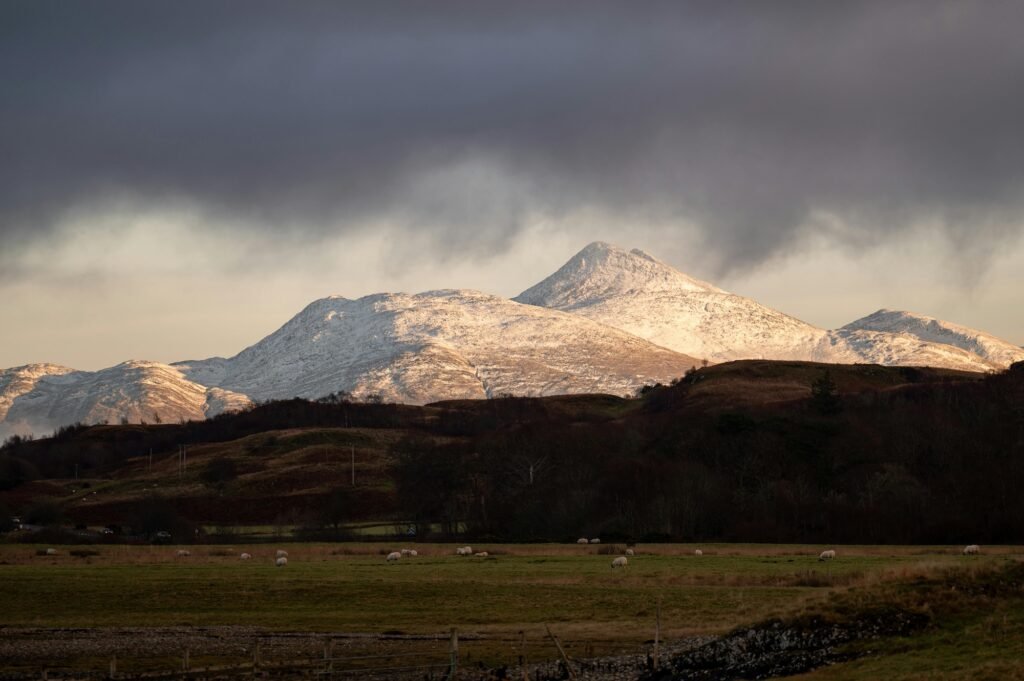
As the road begins its long descent, the capital of the Highlands opens up before you. The Moray Firth narrows into the town, spanned by the Kessock Bridge connecting Inverness to the Black Isle. Look straight ahead, and you see Ord Hill, the site of an old Iron Age fort. On a clear day, you get your first proper look at Ben Wyvis, a magnificent Munro standing over three thousand feet high. To the side lies the Beauly Firth, with Inverness sitting right at the mouth of the Great Glen fault line that stretches all the way to Fort William and holds Loch Ness in its grip. Even now, with the spring greenery remaining dormant for a little while longer, it is a spectacular sight to welcome you home.
The romance of the landscape fades rather quickly the moment I step through the front door, however. The reality of the upcoming season has arrived, and I have a three-week slog ahead to get the bed and breakfast operational. The house has been empty for months, so the initial task is a monumental deep clean.
Keeping on top of the first wave of bookings is a significant administrative exercise, though it is always a milestone when the April confirmations finally ensure that April’s bills are covered. Sourcing supplies is a completely different challenge. The guest rooms require ten different types of tea and three varieties of coffee. The breakfast menu demands over sixty individual items, including three different types of venison, right down to stocking up on cleaning products and fresh filters for the vacuum cleaner.
The heaviest lift this year is the linen. I bought entirely new stock for the season, which means three complete sets for four rooms. The sheer volume of washing, drying, and ironing required to prepare it all is staggering. Once the first guests arrive, it marks the start of a six-month marathon of twelve-hour days, seven days a week. I manage the bookings carefully to close the doors once turnover approaches the ninety-thousand-pound VAT threshold, which is sensible anyway because I am usually completely spent by that point.
If you are ever tempted to become a solo B&B operator, take this as a realistic insight. I genuinely love the work, but when you are self-employed, you quickly realise you have inherited the most demanding boss you will ever meet.